Germán Olivera
There's a version of this page where I list my services, drop a few logos, and finish with a button that says "let's connect." You've read that one a hundred times already, and it tends to say nothing while costing nothing to write.
This is the other version.
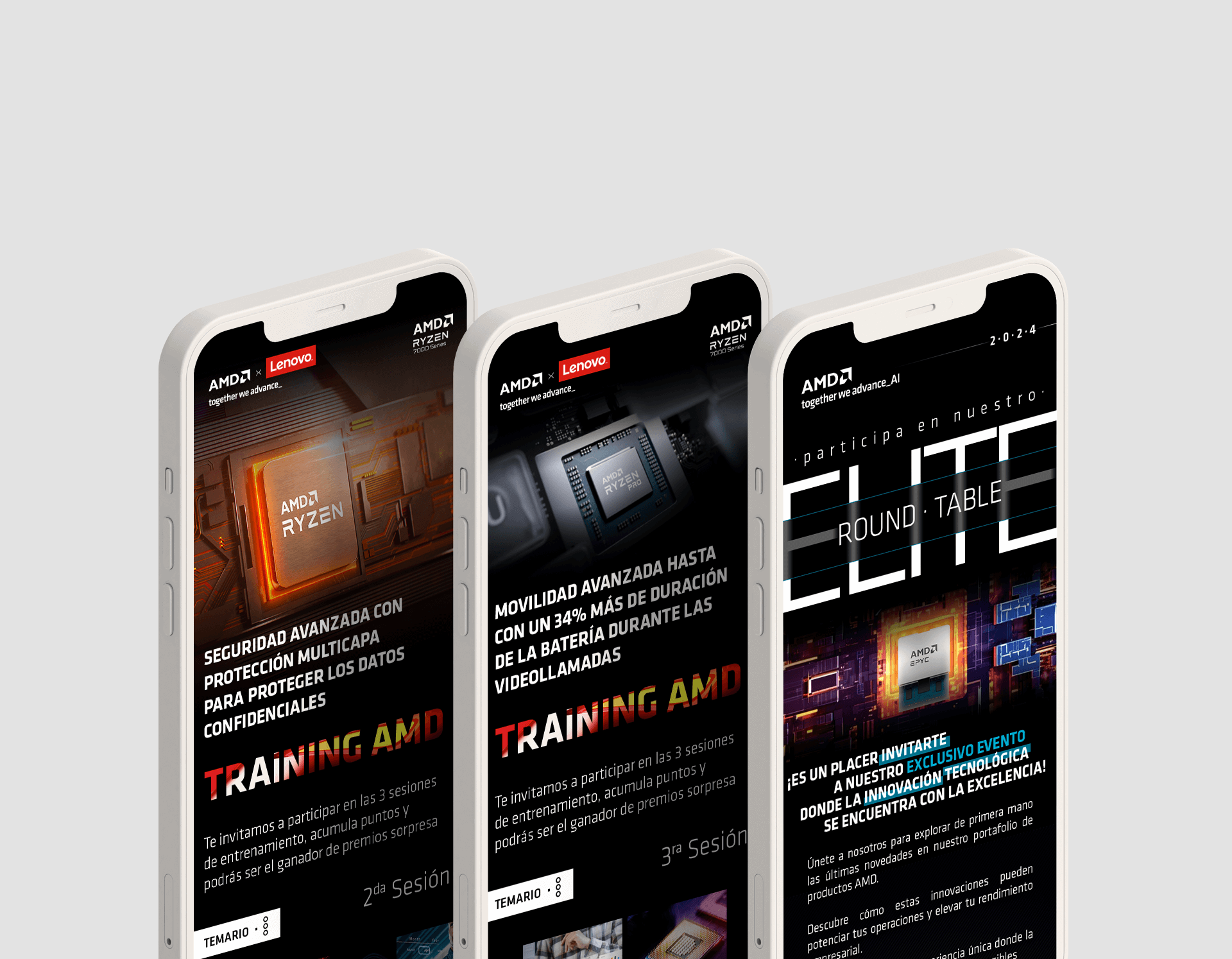
I'm Germán, a senior designer with thirteen years behind me, working on US hours. What I do is design production for agencies that are busy enough running client work that they've never quite worked out a smooth answer for the weeks when the volume spikes and the team doesn't.
That's the short version, so here's the longer one.
The thing agencies don't say out loud
At some point most agencies run into the same wall. The client load grows, which is the whole point, and the design capacity quietly fails to grow with it. What follows isn't a single problem so much as four of them, and they tend to arrive together.
-
01Capacity that runs out at the worst possible moment
Several accounts move at once and there are never quite enough design hours to cover all of them properly, so something always ends up waiting or shipping a little rough. The work still gets done, but the team pays for it in late evenings and in a quality nobody feels especially proud of.
-
02Quality that swings depending on who happens to be free
When deliverable quality starts depending on whoever's assigned that week rather than on any shared system, every project quietly reinvents its own baseline, and the studio ends up looking like five different studios depending on which week you catch it in.
-
03Design that shows up after the decisions are already made
Strategy gets locked in a room that design was never invited into, and then design turns up afterward to make it all look good, which works right until the moment it doesn't. The result comes out technically correct and somehow beside the point, and the revisions it takes to fix that quietly eat the timeline you didn't have to begin with.
-
04No coverage in the gap between hires
Someone leaves or a role sits open, and the next hire takes three months to find and another two to get up to speed while client timelines carry on as though nothing has changed. In the meantime the work lands on whoever happens to be closest, usually a person who already had more than enough on their plate.
None of this is a crisis. It's just friction, the slow and expensive and constant kind that never shows up on a report yet somehow shows up in everything. That's where I fit.
Three things I've actually built
IFA Colombia, when organic is all you have
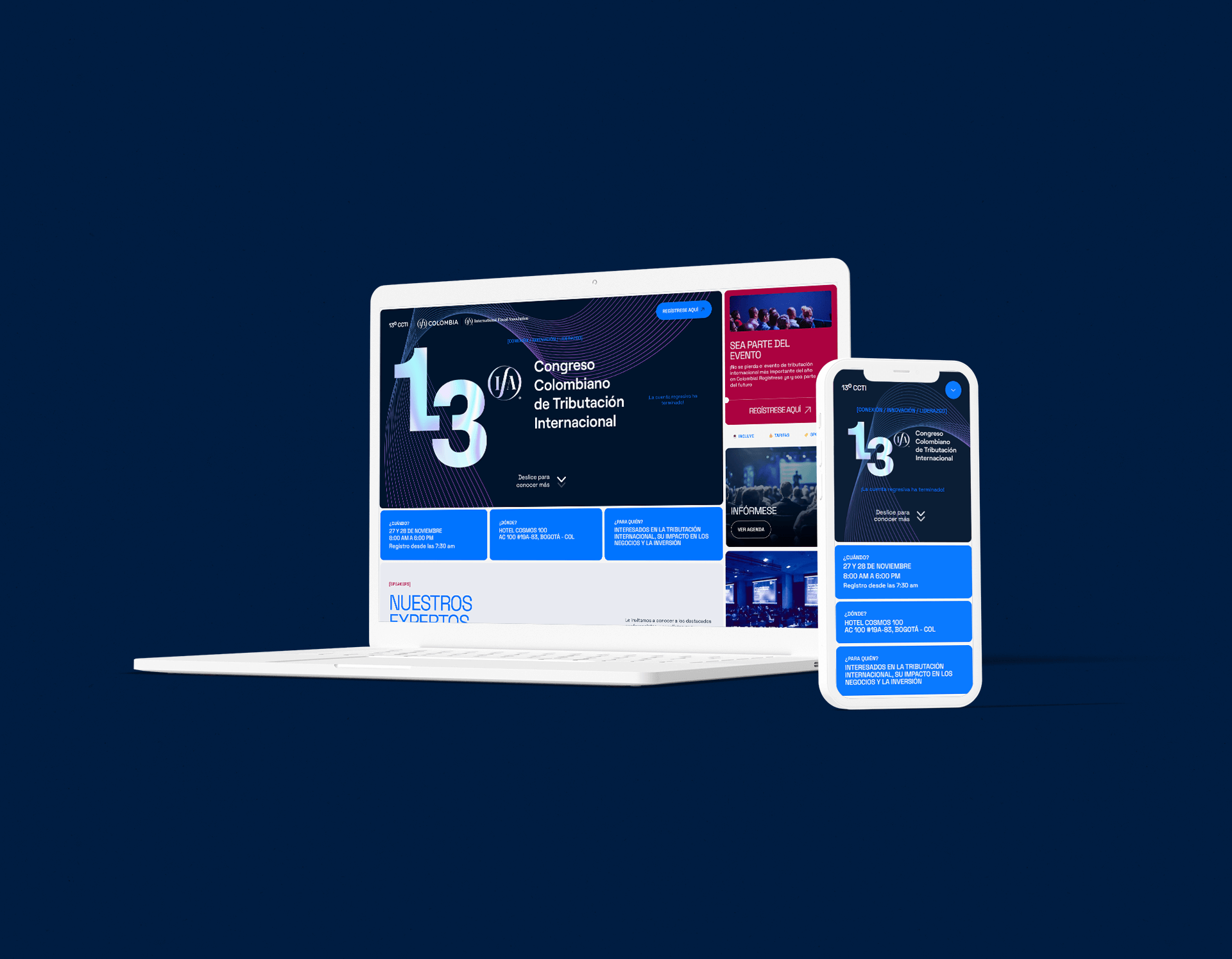
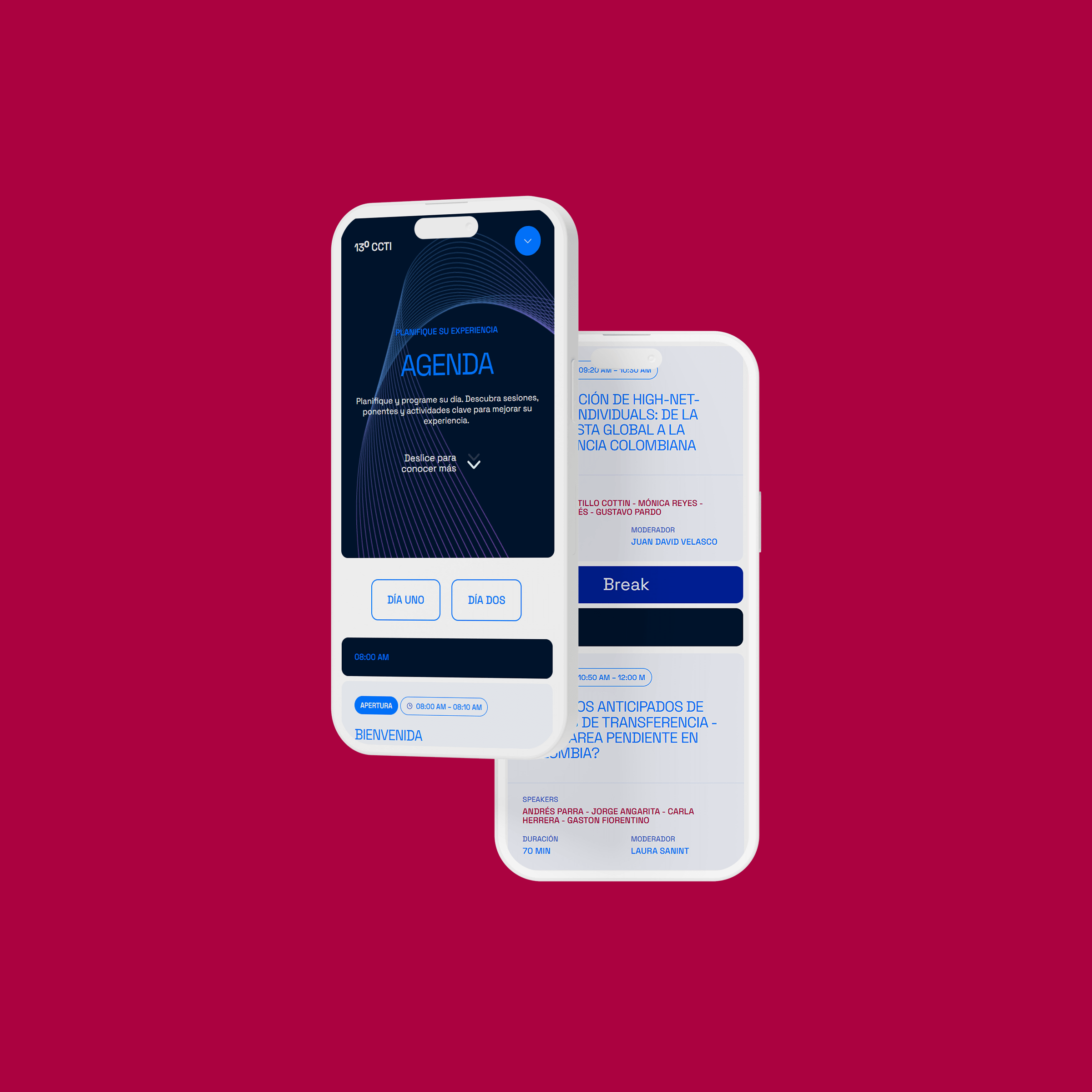
IFA Colombia needed to grow their presence and fill event seats without a paid media budget, so the brief came down to making something out of nothing. We built a content strategy that ran across LinkedIn, YouTube, Meta and email through 2024, and over the year LinkedIn turned into their single biggest traffic source while one event nearly doubled its revenue against what it cost to run. None of it had ads behind it, just a clear read on who the audience actually was and what would genuinely move them.
LinkedIn followers through 2024, cumulative and organic. The monthly shape is illustrative for now, while the year-end total is real.
By the end of the year that came to roughly a thousand new LinkedIn followers, all of them organic. The number matters less than what sits underneath it, which is an audience that didn't exist twelve months earlier, built on purpose and without a dollar of paid amplification behind it.
ExcelCredit, when the spend is already there but the results aren't
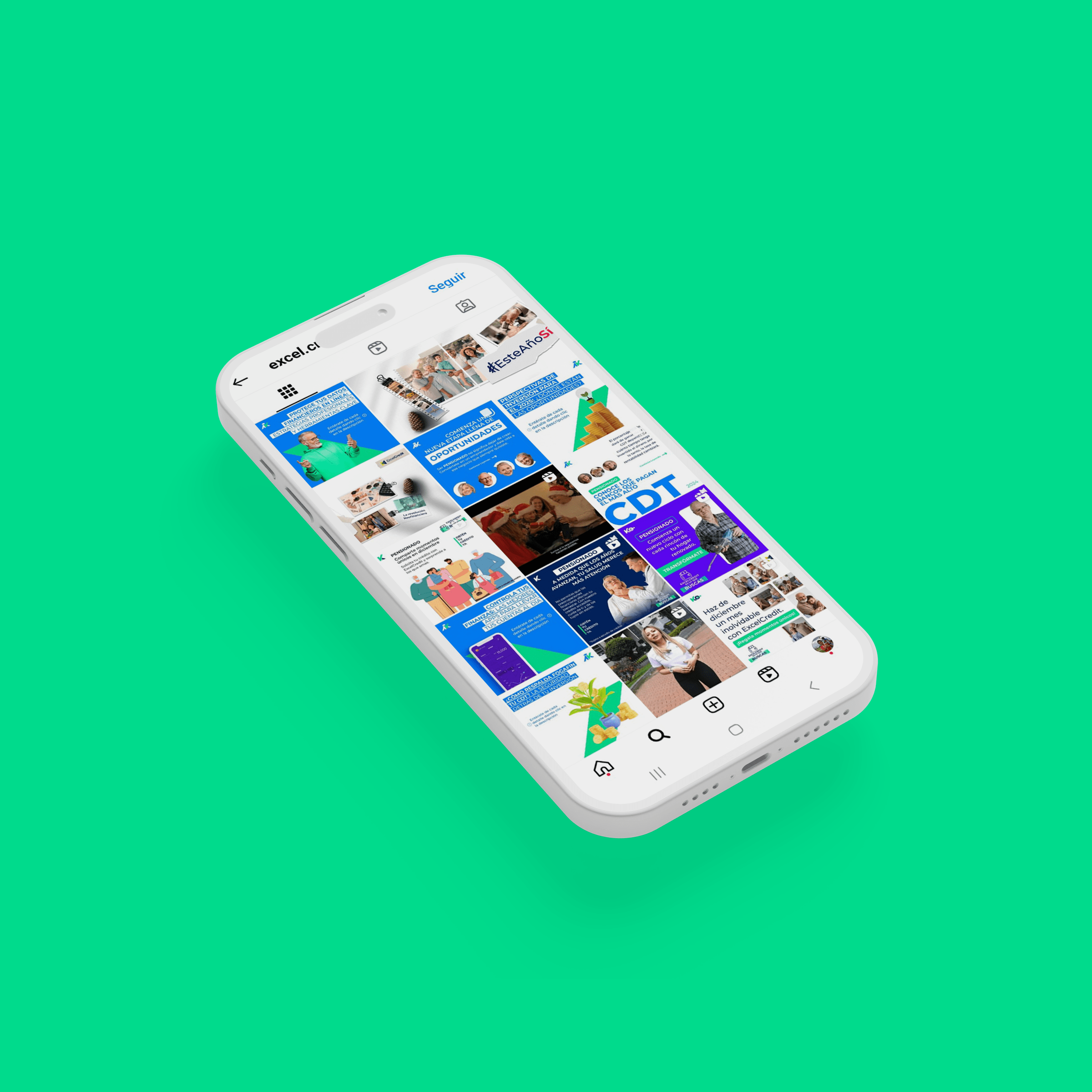
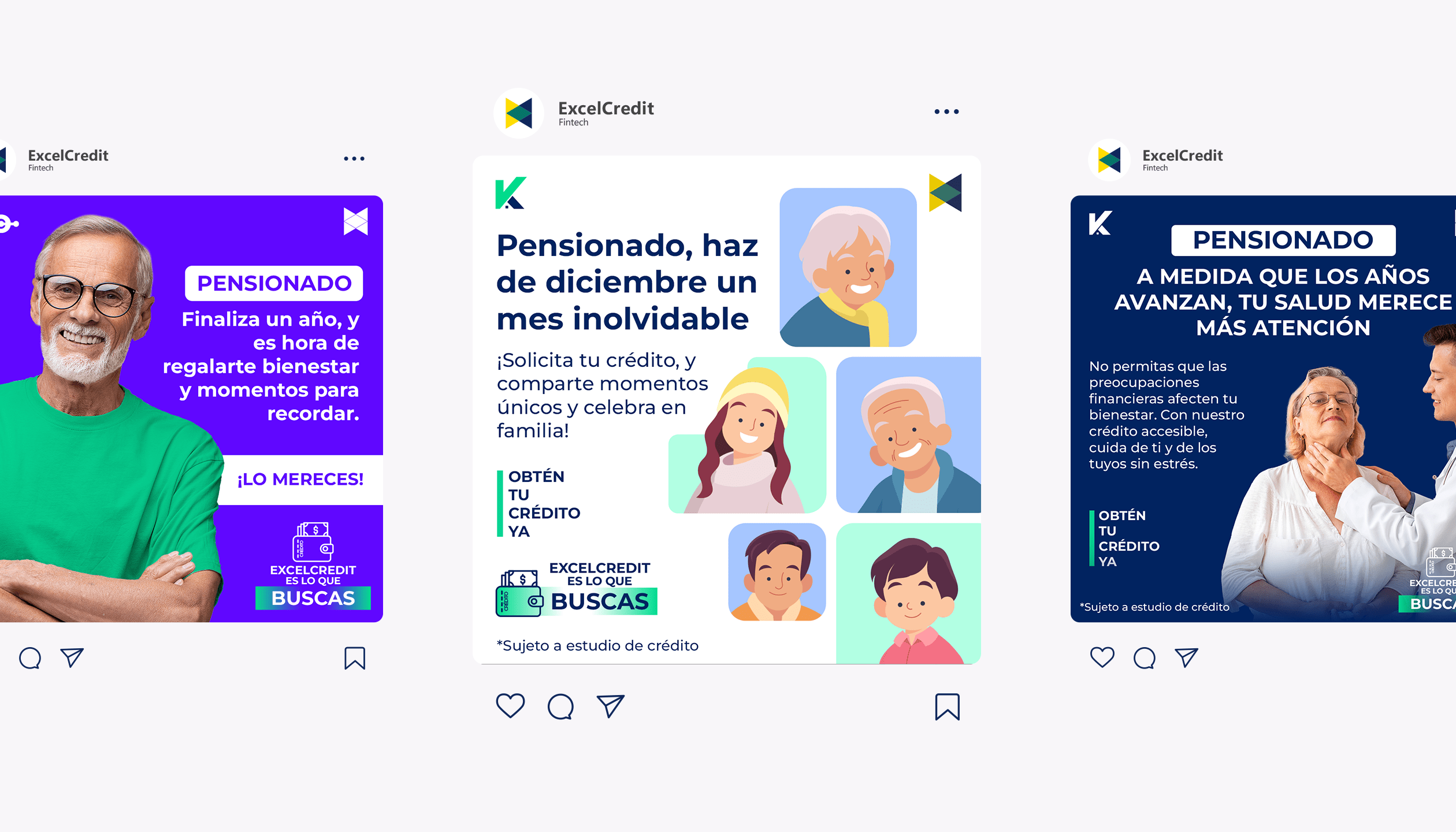
ExcelCredit was already running Meta and Google Ads across several channels, so the investment was real even though the results stayed moderate. That gap almost always comes from the same place, where the channels aren't really talking to each other and the message fractures somewhere on its way to the person who's meant to convert. We traced where the story was breaking down and tightened it so the same narrative carried cleanly across all four channels, and conversions improved without the budget going up. The work simply got more deliberate.
Conversions before and after the narrative was aligned, on the same budget. Indexed and illustrative until I plug in the exact figures.
Cabadelpa, a diagnostic before the rebuild
Sometimes the most useful thing you can do is get a clear picture of what's wrong before anyone touches anything. Cabadelpa had been posting on a steady schedule for a full year and had twenty-four new LinkedIn followers to show for it. On a calendar the activity looked perfectly healthy even though the results were almost comically bad. The diagnostic named what everyone had already half-suspected, which was that there was no real clarity about the audience, no purpose behind the content and no way to tell whether any of it was working, and the rebuild started from that honest ground instead of from assumption.
New followers each month across a full year of consistent posting, which is the line that explains the whole problem.
Publishing without a strategy isn't a neutral act. It wears down brand perception slowly and quietly enough that nobody really notices until the numbers have become embarrassing.
What working with me actually looks like
I think like a marketer rather than only like a designer, which means I read the brief together with the strategy sitting behind it. That tends to cut the revisions, speed up alignment with the account team and keep the work standing up in client reviews on substance instead of just on looks. If something in the brief is off I'll say so before a single pixel gets made, which isn't really overstepping so much as catching the thing the agency usually has to catch for itself.
There's no single right way to plug me in, so most teams start with whichever of these two matches the moment they're in.
When you have a defined piece of work in front of you, a launch, a campaign, a site rebuild, and you want it produced well and out the door on time.
Let's scope it → Add ongoing capacityWhen you'd rather have a senior pair of hands on call, steady support that flexes up and down with your client load from one month to the next.
Let's talk cadence →Whichever way we start, four things stay the same.
Thirteen years of experience at contract rates, without the benefits or the desk or the onboarding ramp that come with an employee. Senior execution exactly when the workload calls for it rather than overhead sitting idle between campaigns.
Async-first on US hours. Briefs get acknowledged quickly, updates reach you before you've had to chase them, and timelines don't slip because a question sat unanswered overnight. It's the way your team already works, without the weight another hire would add.
I absorb the spikes when the volume jumps and I'm not dead weight you're paying for when things go quiet, which matters far more than it sounds when several accounts run on timelines that refuse to cooperate.
I ask the right questions up front so I'm not asking them every day afterward. Your creative director gets to spend their time directing instead of translating briefs and chasing status, because I run my own workstream.
The other option you're weighing
A senior in-house designer in the US runs $90,000 to $130,000 a year in base salary alone, and that's before the real number kicks in. Once you add benefits, payroll tax, equipment, and the cost of recruiting someone genuinely good, you're closer to $115,000 to $165,000 loaded, and you pay it every month whether that quarter's workload justifies a full headcount or not.
That's the actual trade you're weighing when you set a hire against a contractor, and it was never really cheap versus expensive. It's a fixed cost you carry through the slow weeks against senior output you scale with the workload you actually have. Thirteen years of experience at contract rates, without the desk, the onboarding ramp, or the six-figure commitment still sitting there in August when client volume drops.
| Local US hire | Germán, remote | |
|---|---|---|
| Annual costBase salary alone | $90K to $130K a yearplus 25 to 40% loaded for benefits, tax, and equipment | Contract ratesNo benefits, no desk, no ramp |
| CommitmentFinancial risk | Fixed cost, twelve-month minimum exposure | Scales with your workload, with no idle overhead |
| Time to productiveFrom day one | One to three months of onboarding before full output | Week one, with no onboarding ramp |
| Slow weeksWhen volume drops | Full salary regardless of workload | You're not paying for idle capacity |
| Management loadDay-to-day | Brief translation, daily check-ins, status chasing | I run my own workstream and ask the right questions once |
| Strategic inputBeyond execution | Depends on the hire | Built in. I flag when the brief itself is off |
| Physical presenceIn-office access | ✓ In the building | ✗ Remote, on US Eastern hours |
| Real-time collaborationSame-minute | ✓ Hallway access | ✗ Async-first, and honestly not the same |
| FlexibilityScale up or down | Fixed headcount | Project-based or ongoing retainer, your call |
Salary data from Indeed, ZipRecruiter, and Glassdoor, based on US national averages in June 2026. The loaded cost estimate includes payroll tax, health benefits, equipment, and recruiting. Individual figures vary by city and role.
What proximity actually buys you, and what it doesn't
I won't pretend remote is the same as in-house, because it isn't, and the honest version of this page says so out loud. There's no hallway, no two-minute "can you just tweak this," and no in-person presence for the pitch meeting or the team offsite. If your team genuinely runs on real-time, same-minute collaboration, async-first isn't going to feel like enough.
What proximity doesn't buy you is reliability, judgment, or speed, because none of those live in a time zone. The work ships on the same schedule, gets the same scrutiny, and comes with the same willingness to push back on a brief that's off, whether I'm sitting in your office or working US hours. Most of what makes a hire feel professional was never really about geography. It was about whether they own the work or wait to be managed.
So here's the honest split. If what you need is a body in the building for daily standups, hire locally. If what you need is senior production that flexes with your client load without becoming a line item you're stuck managing through the quiet months, that's the gap I sit in.
The tools
Design & Production
Pixel-final assets across every format, from a single banner all the way to a full campaign rollout.
Web
I build the site itself, not only the mockup of it.
Marketing & Strategy
I read the funnel, not only the brief.
AI & Workflow
Faster turnaround without letting the quality bar drop.
What people who've worked with me say
"Working with Germán has been a real boost to our brand strategy. His creative approach and ability to understand our needs allowed us to make a significant leap in how we communicate with our customers. We strengthened our digital presence and connected more effectively with our audience."
Carlos Mario Vélez, Digital Marketing Leader · KOA
"Working with Germán has been seamless from day one. He combines creativity with a clear understanding of business objectives. He consistently delivers high-quality work, adapts quickly to feedback, and brings valuable ideas to every project."
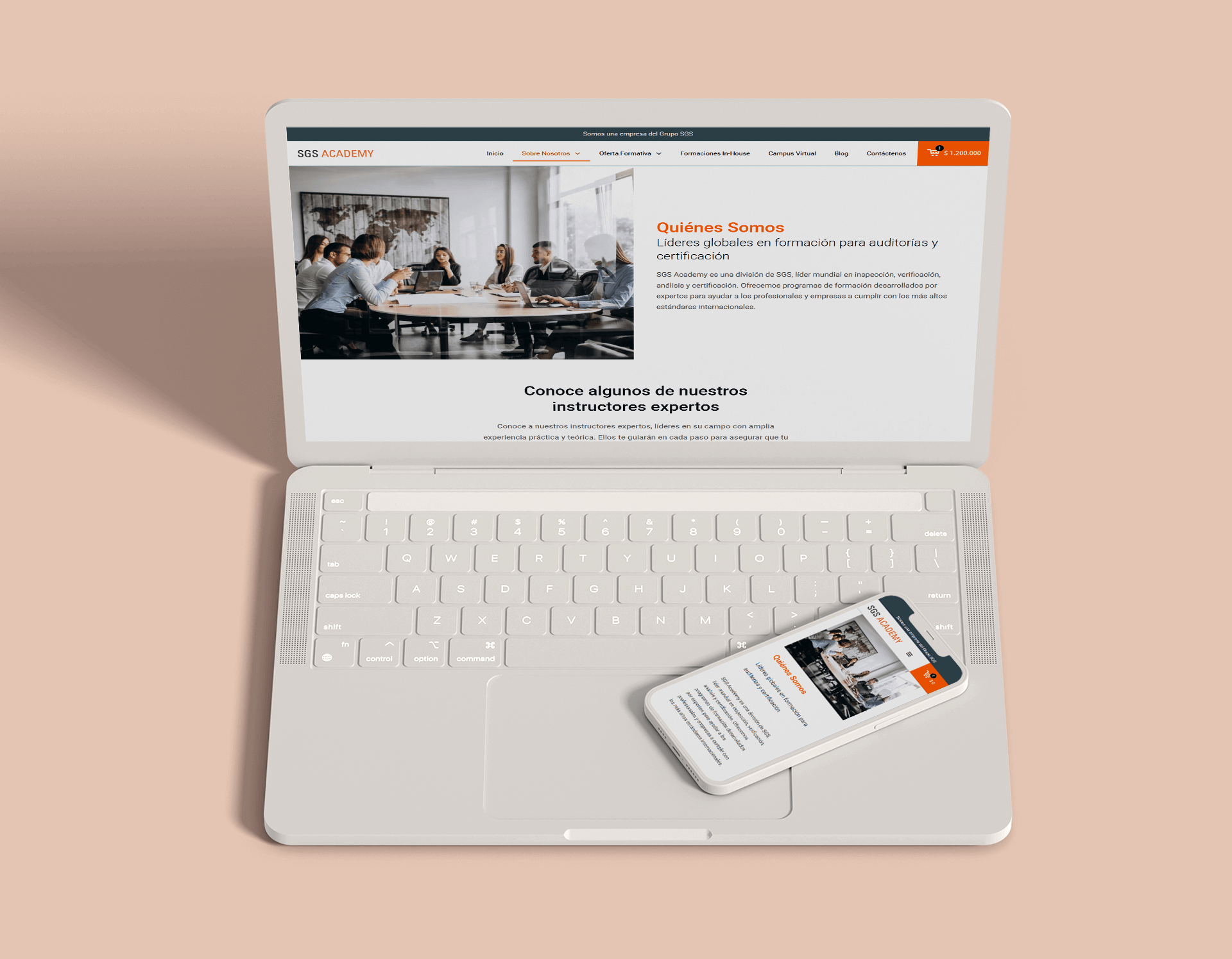
Fernanda Rocha, Senior Digital Specialist · SGS
"Germán captured the essence of our event in every detail, from design to execution. His strategic and creative approach made a remarkable difference, helping the conference achieve a presence that exceeded our expectations."
María Fernanda Suárez, Tax Attorney · IFA Colombia
"Germán translated our needs into effective solutions that drove the success of our event. The presence we achieved exceeded our expectations."
Mónica Bolaños, Partner · IFA Colombia